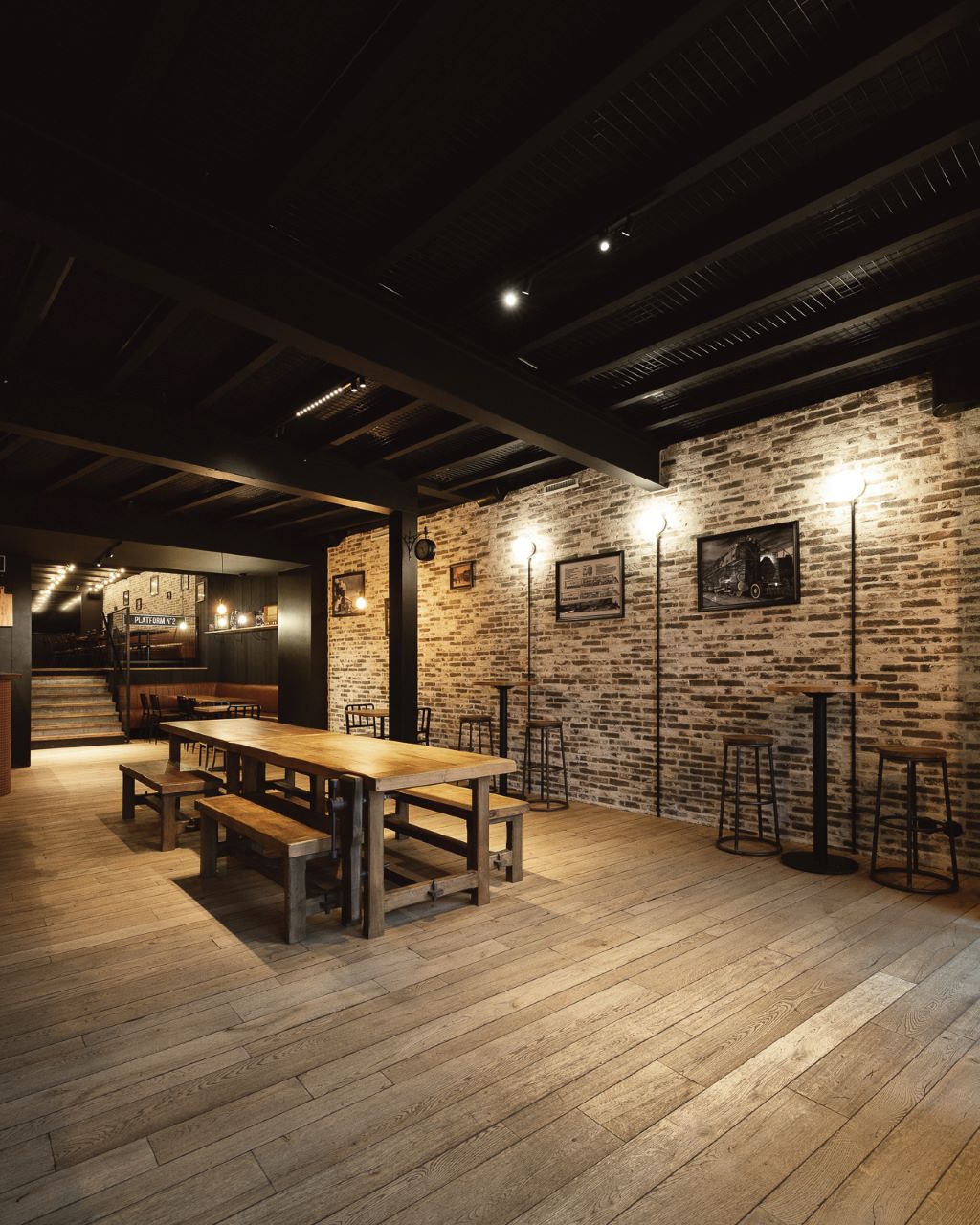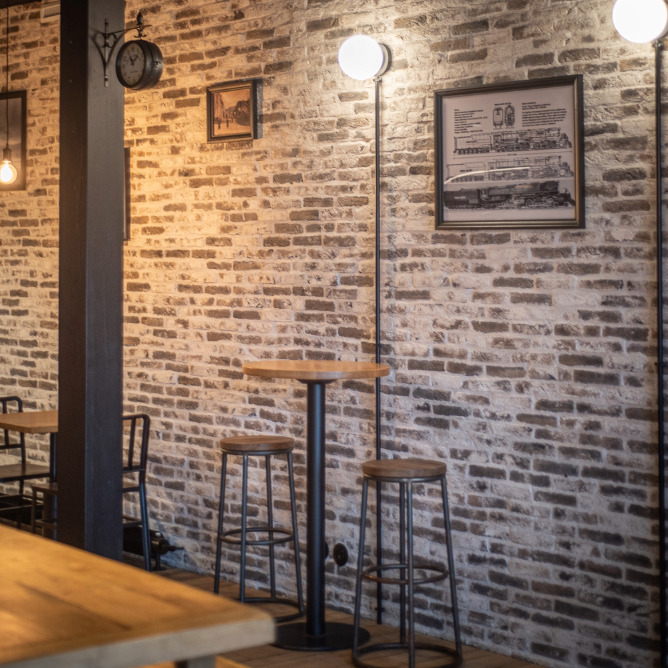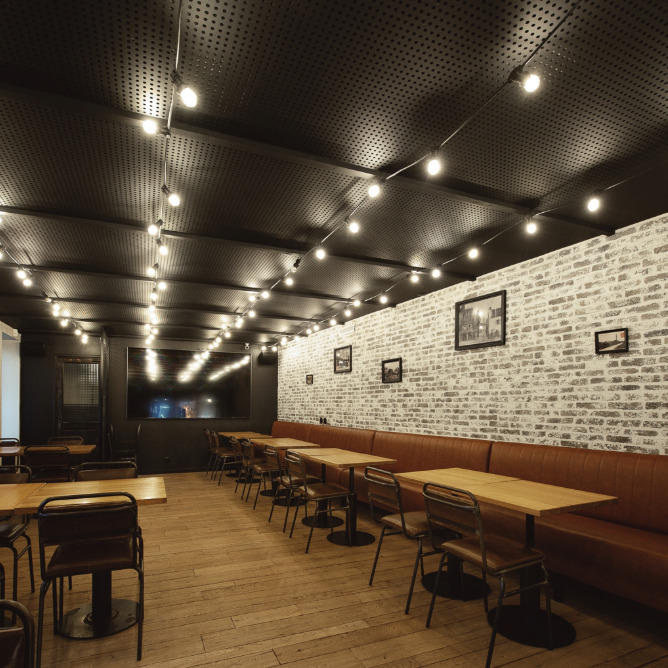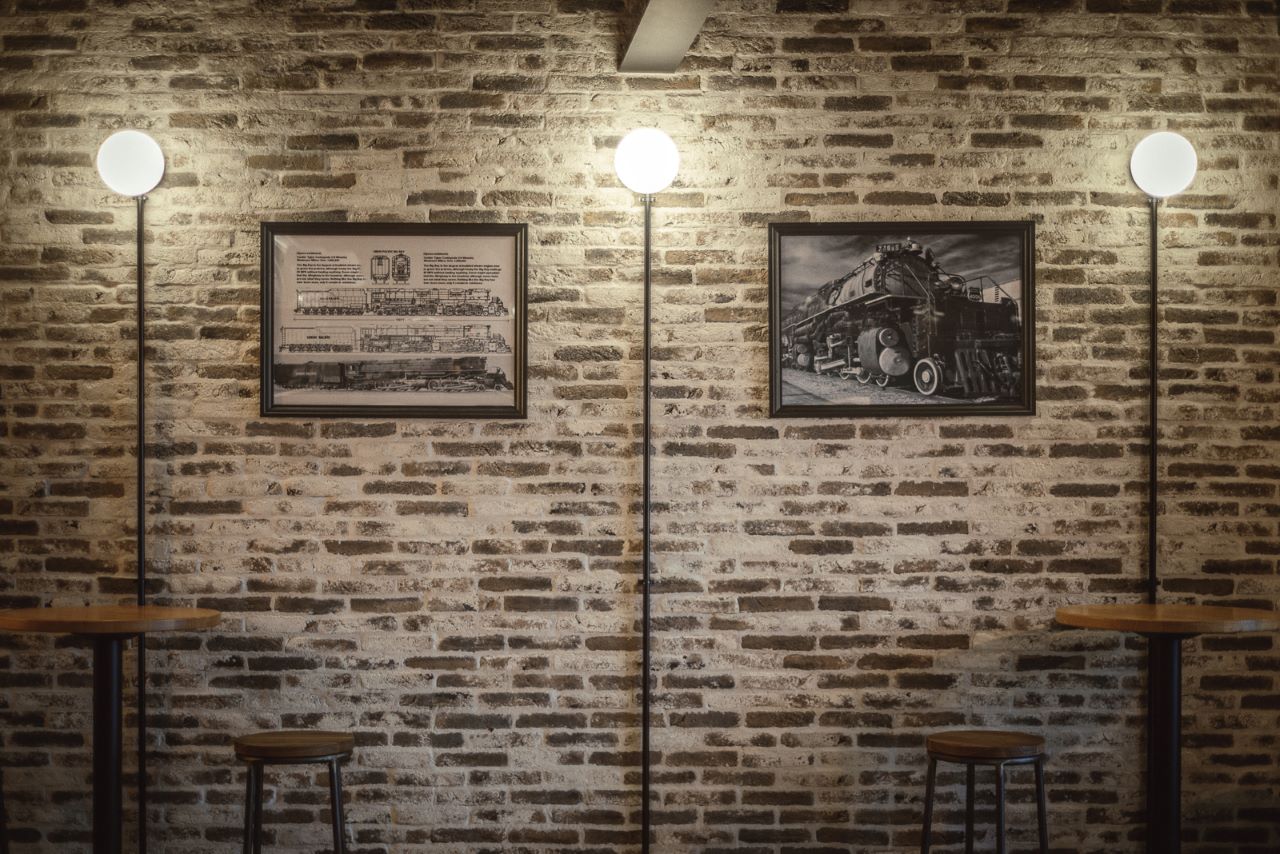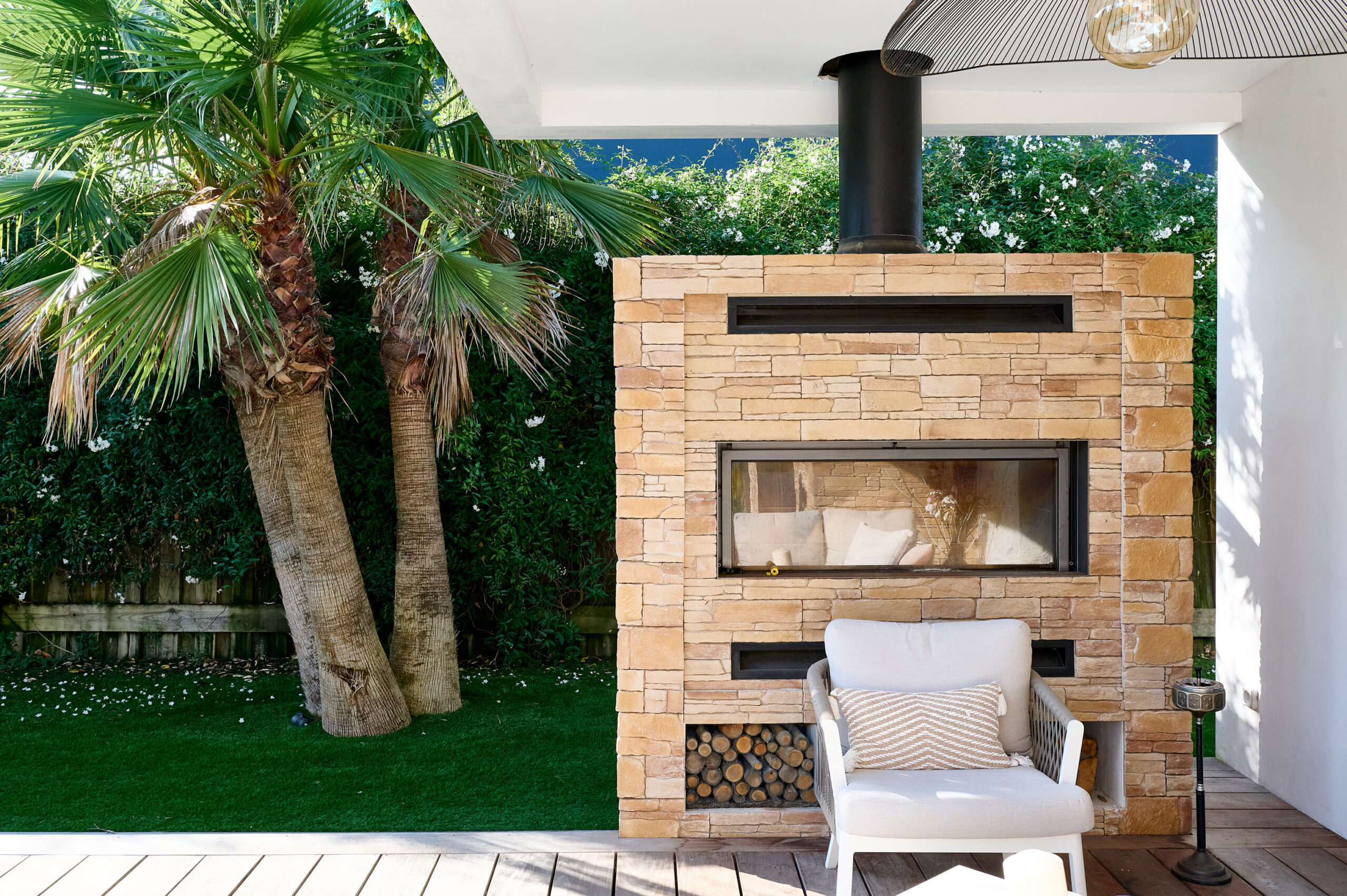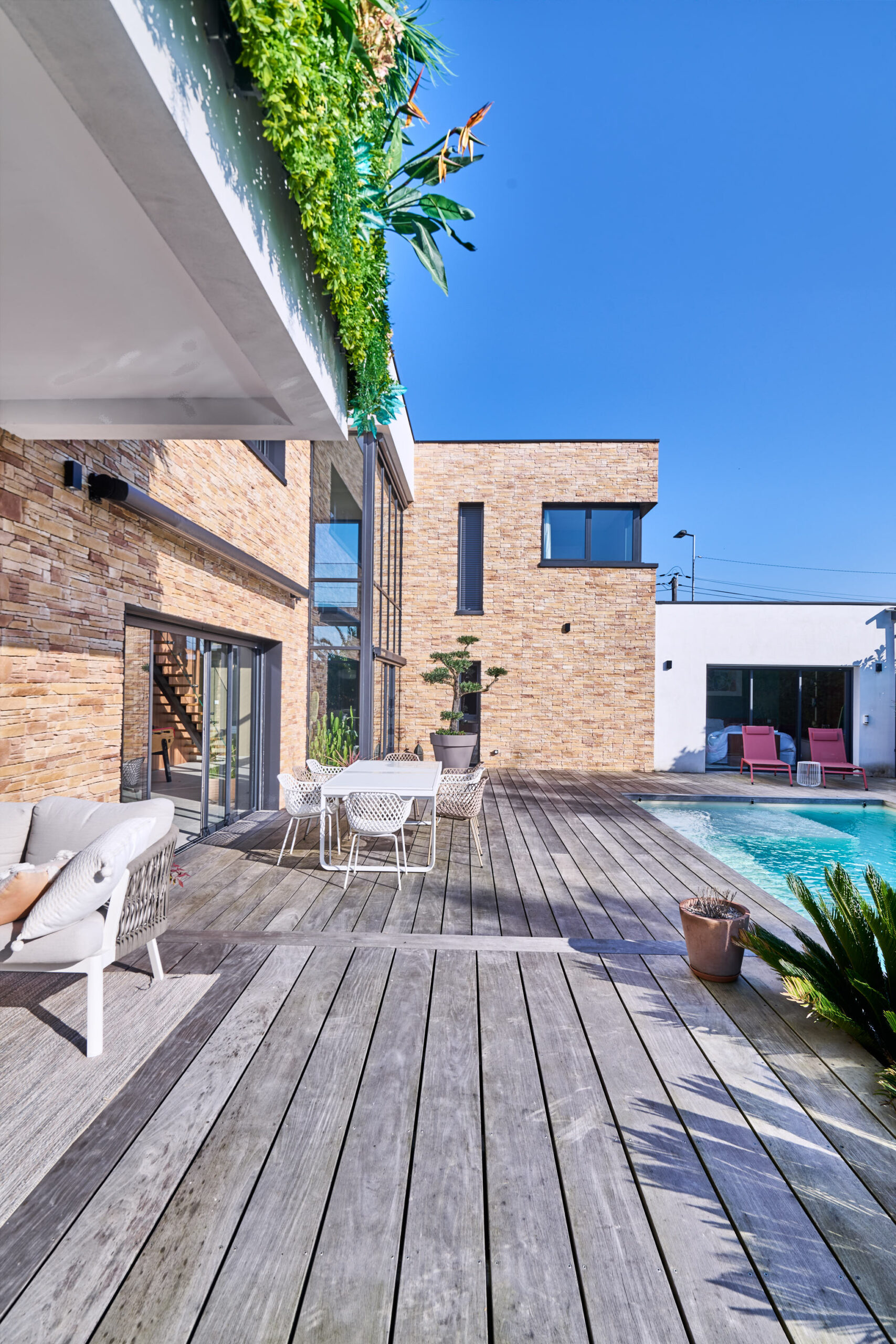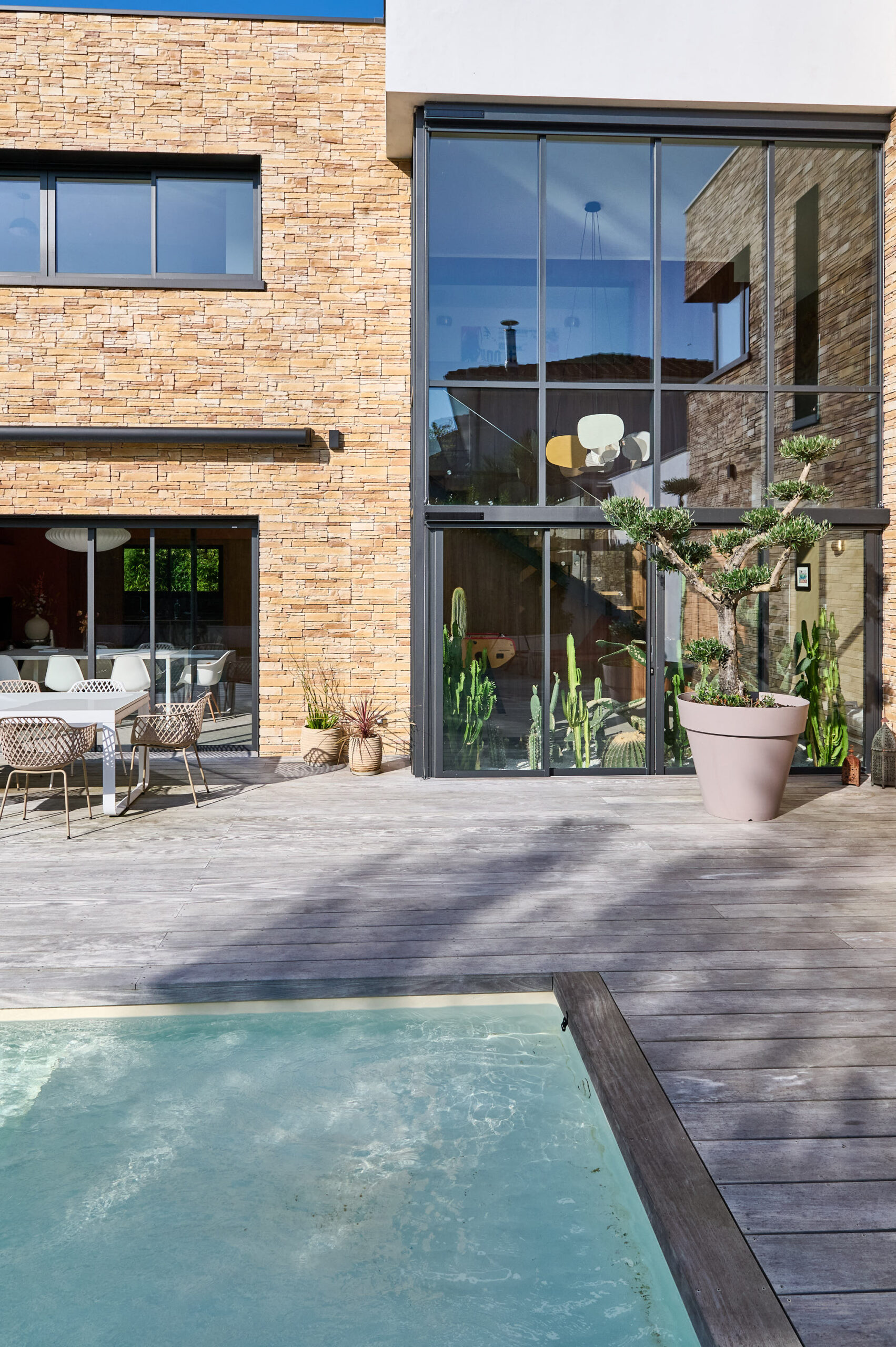
ORSOL flamed bricks, a blend of Basin heritage and sustainable architecture
Architextures 14 Apr 2026
Photo credits: Karine Medina
A unique real estate project in Andernos-les-Bains
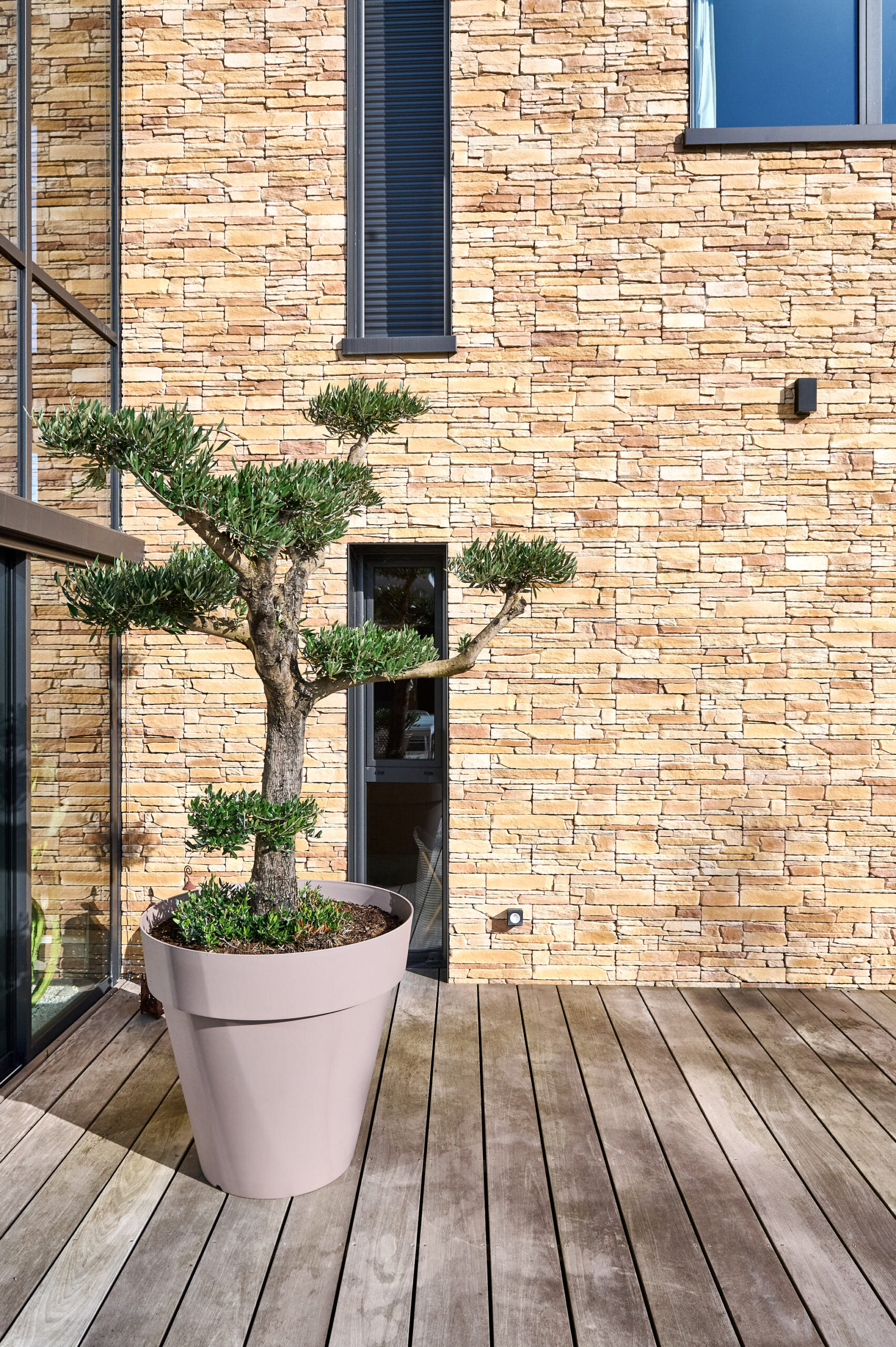
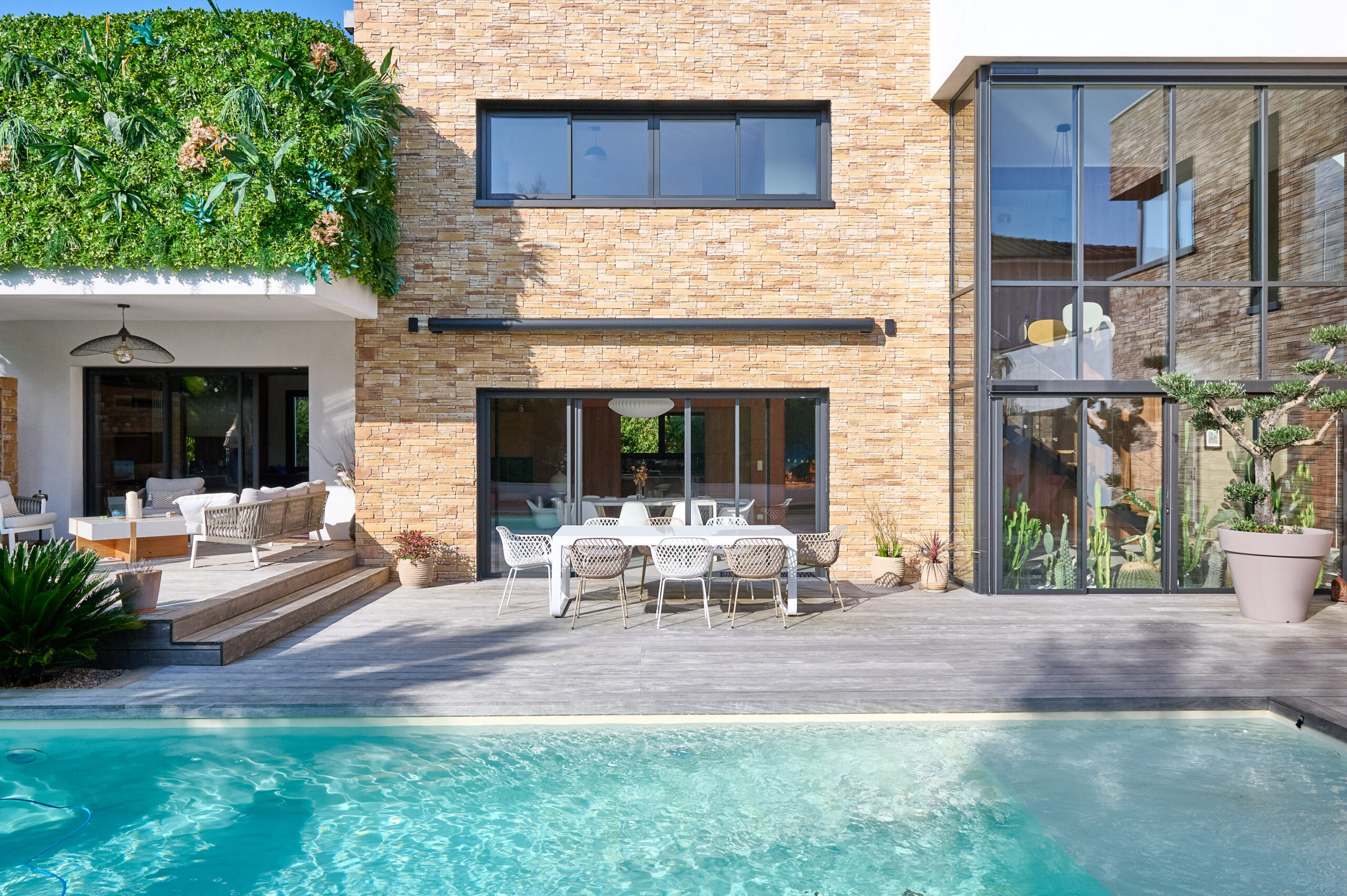
Located in Andernos-les-Bains, Résidence Querencia is an architectural complex scheduled for completion in 2024. The project, led by Protacis characterized by a strong desire to combine modernity with respect for regional typicity. In collaboration with Micasasucasathe developer has imagined a place where existing vegetation and noble materials coexist harmoniously.
ORSOL flamed brick: the choice of personality
For this project, the natural choice was ORSOL flamed brick. Unlike conventional rendering, this material offers exceptional durability and an aesthetic that improves over time.
The advantages of this collection for Résidence Querencia :
Unique nuances: Brick brings a personality and character not found on any other neighboring building.
Guaranteed durability: A more durable choice than paint, ideal for coastal climates.
Perfect harmony: it enhances the project’s other materials, such as the wood in the cellars and the exposed framework.
The installation, entrusted to BFR, was praised for its technical skills. The installers used marine ropes to ensure perfect spacing, attracting the attention of passers-by with the beauty of the craft.
This attention to hand-crafted detail captivated passers-by throughout the project, transforming the façade into a veritable visual signature. It’s this level of finish that guarantees lasting property value and pride for the 16 tenants who have been living here since May 2025.
“The nuances of these bricks give them a unique character that blends harmoniously with adjacent materials”. – Vincent Gautronneau, Managing Director of Protac.
By combining the robustness of mineral with the elegance of wood, the Résidence Querencia proves that new construction can be an act of local enhancement. ORSOL brick isn’t just a cladding material: it’s the link between the history of the Basin and the housing of tomorrow.
ORSOL’s Brique Black and White collection enhances a group home in Malakoff, France
Discover how ORSOL brick cladding enhances the Promège residence. An architectural project blending modernity and durability for a unique, long-lasting aesthetic result.
Which outdoor stair cladding should you choose for your garden?
Architextures 25 Mar 2026
Neat steps, rough cheeks and bare risers. A poorly dressed exterior staircase betrays even the most beautiful garden. Dressing every surface transforms a simple passageway into an element of landscape architecture.
An external staircase structures the circulation in a garden, linking a terrace to the lawn and marking a difference in level or access punctuation. Often, the cladding concentrates on the treads, leaving out two equally visible surfaces: the risers and the sides. These are what determine whether the cladding really blends into the garden or stands alone. Choosing a coherent outdoor covering means thinking of the three surfaces together, in relation to the style of the garden, the materials already present and climatic constraints.
Why are outdoor staircases designed in three surfaces?
In the majority of exterior landscaping projects, only the steps are given a careful covering. The risers and sides are left in raw concrete or exposed breeze-block, either through lack of foresight or ignorance of the solutions available. It’s precisely this imbalance that gives so many garden staircases an unfinished look. The three surfaces need to be treated in a coherent manner to become a visual landmark in the garden, in the same way as a low wall clad in stone or a terrace clad in flagstones.
In a contemporary garden, exterior stair cladding plays the mineral card
A contemporary garden is all about straight lines, geometric volumes and few different materials. For the outside staircase, the ideal cladding is reconstituted stone in shades of grey, anthracite or cool beige, laid identically on the treads, risers and cheeks.
Reconstituted stone and concrete lend coherence to clean lines
Concrete-effect or smooth stone-effect finishes blend effortlessly into a garden where plant life is contained and structured. Reconstituted stone offers a concrete advantage over natural stone: its dimensions are regular, its shades homogeneous, and its installation on vertical surfaces such as cheeks or risers poses no technical difficulties.
Staircase, terrace and wall in the same material unify the entire space
This is the fundamental rule of successful outdoor design. When step cladding, cheek cladding and adjacent wall cladding share the same material, the garden gains in coherence and visual depth. In a contemporary garden, this unity of material also simplifies long-term maintenance, and applies equally to thedesign of an outdoor terrace.
In a natural garden, external stair cladding disappears into the vegetation
A natural garden is a space where plants dominate and minerals fade into the background. Plants overflow onto the paths, materials are raw and colors muted. For the exterior, the ideal cladding is reconstituted stone in shades of beige, ochre or taupe, with an irregular texture reminiscent of country stone. The aim is for the staircase to blend into, rather than stand out from, its surroundings.
Muted hues and irregular textures integrate effortlessly
In a natural garden, a stone with too smooth a sheen or too uniform a hue creates a contrast that betrays the overall effect. A dry-stone or rubble-effect finish, in earthy tones, blends naturally between flower beds and lawns. Applied to the sides and risers, it gives the staircase the appearance of something that has always been there. To find out more about the use of stone in a natural garden, take a look at our stone landscaping ideas for inspiration.
Treating the cheeks like the adjacent low wall blurs the boundary between mineral and vegetation
A garden staircase often adjoins a retaining wall or masonry border. When the sides are clad in the same material as the retaining wall, the separation between the two elements disappears. The choice of cladding for a low garden wall follows the same criteria.
Share
Decorating inspiration: 5 ideas for transforming a kitchen with facing brick
Architextures 25 Feb 2026
Contents :
A complete wall in white brick
Red brick and black furniture: an assertive contrast
Grey brick and light wood: mineral balance
Textured brick and LED lighting: revealing the material
Brick for framing openings or niches
Kitchen facing brick introduces an expressive material into a space often dominated by smooth surfaces. It catches the light, creates relief and transforms the perception of volumes without modifying the existing layout. A complete wall, an assertive contrast or an architectural detail… How can brick be integrated into kitchen architecture?
Why use facing brick in a kitchen?
Contemporary kitchens often feature lacquered fronts, quartz tops, stainless steel or laminate. In these very smooth worlds, kitchen facing brick adds a striking mineral texture.
Brick conveys a warmth and depth that paint alone cannot create. Depending on its shade and installation, it can evoke a loft spirit, a Mediterranean ambience or Nordic minimalism.
Decorative idea no. 1: a complete white brick wall
A white brick kitchen cladding has a strong impact on the brightness of the room.
Applied as a full wall, white brick preserves the relief and brightens the space. It adds texture without weighing the room down.
Combined with tone-on-tone furniture, it creates a subtle single-material effect. In contrast with black or natural wood elements, it becomes a graphic support.
Thin joints accentuate the contemporary effect, while slightly recessed joints enhance the play of shadows.
Decor idea no. 2: combine red bricks with black furniture
Red brick is a strong signature in interior design. Combined with matte black fronts, it reveals kitchens with an assertive character. The contrast enhances the texture of the brick while emphasizing the lines of the furniture.
Balance with smooth surfaces and mastery of light help toavoid a massive effect.
A light-colored worktop or natural wood floor soften the overall effect.
This combination works particularly well in open kitchens, where brick becomes a transitional element between kitchen and living room.
Discover how brikelia.fr brings brick cladding to the forefront of interiors.
Decor idea no. 3: grey brick and light wood for a mineral balance
Gray brick is part of a soft, contemporary palette.
In kitchen brickwork, it is in natural dialogue with light oak or birch. Together, they create a soothing atmosphere reminiscent of Scandinavian aesthetics.
The gray shade softens the industrial effect traditionally associated with brick. It highlights the wood grain and adds an elegant mineral base.
In an open kitchen, this combination ensures harmonious continuity with the living room.
Decor idea no. 4: textured brick and LED lighting to reveal the material
Low-angled lighting installed under shelves or above a credenza accentuates the relief. Shadows created by asperities give depth to the wall.
In a backlit niche, the brick becomes almost scenographic, without adding any superfluous decorative elements.
This play of chiaroscuro works particularly well with bricks with pronounced relief.
Decorative idea no. 5: use brick to frame an opening or niche
Using brick for kitchen cladding in targeted strokes adds rhythm without overloading.
Framing a niche, highlighting an opening or cladding the back of an open cabinet creates a visual landmark. This approach suits small kitchens or minimalist interiors, where brick becomes a striking architectural element.
Which facing brick to choose for a kitchen?
The choice of brick cladding depends on the desired effect and its coherence with the architectural style of the house.
Light hue: visually enlarges space
Red or terracotta: create a strong contrast
Nuance grise: creating a mineral ambience
Marked relief: accentuate shadows
Smoother surface for cleaner reading
A suitable finish and protective treatment will preserve the appearance of the cladding for a long time to come.
Share
Contemporary house in Corsica: the art of stone cladding with ORSOL
Architextures 27 Jan 2026
Photo credits: Anthony Colas
Nestled in the craggy landscapes of southern Corsica, an exceptional 350 m² villa redefines the codes of modern living. With clean lines and authentic materials, owners Ophélie and Régis have succeeded in integrating a large-scale construction into a wild environment, thanks to ORSOL’s expertise..
A project of architectural freedom
To design the three-storey residence, the couple called on the Bordeaux firm of architects Hubert De Folmont and Jean François Camus.. While the functional program was strictly defined in terms of parts and surfaces, free rein was given to aesthetics.
“Ophélie and Régis had a defined program, number of rooms and surface areas. They gave us a lot of freedom in terms of form and architectural direction,” explains Mr. Camus.
This trust made it possible to design a house that doesn’t subjugate its terrain, but embraces it. To give character to this modernity, the choice of materials was crucial: wood, rendering and stone. As the owners point out: “The idea was to give character to the modernity of the construction through wood, stone and rendering”.
Innovation at the service of the terroir: The “Corse Rosé” shade
One of the major challenges was to respect the visual identity of the Isle of Beauty. The architects wanted to recreate the look of local stone on part of the house, while retaining a modern concrete structure to meet technical performance and overhang requirements..
This is ROCA siding on mesh was selected for this challenge. But the real secret of this integration lies in customization:
“The custom Corse rosé shade was developed by ORSOL especially for this project,” says Mr Camus.
Bluffing” mineral continuity
The house seems literally hemmed in by a hillside landscape dominated by vegetation and rock. The use of ORSOL cladding is not just an aesthetic choice, it’s a strategy of visual continuity.
“We thought it would be interesting to rediscover this stone aspect, which blends perfectly with nature. It’s a continuation of what’s around the house,” explain the architects.
Even for the owners, who wanted to get closer to nature without necessarily wanting a carbon copy, the final realism was a surprise:
“We didn’t want to reproduce natural stone, just get as close to it as possible. However, the assembly pattern and repetition of the motifs is very impressive,” confide Ophélie and Régis.
The last word
Today, this villa is proof that bold architecture can blend perfectly with the mineral tradition of a region. A total success for the owners:
“Today, we’re very satisfied with the result, and have nothing but compliments.
Share
Chaîne d’angle en parement : l’élément qui transforme l’esthétique d’un extérieur
Architextures 09 Jan 2026
Contents :
What is a facade corner chain?
Stone corner chain: types and materials
How to choose corner ties for a house?
Achievements: the angle as architectural signature
Maintenance and durability of angle chains
The corner chain refers to the set of raised elements that emphasize the vertical corners of a façade. Originally structural, they can also be decorative. It marks the lateral limits of a building, accentuating its architectural rhythm and adding depth and character to the façade.
What is a facade corner chain?
The corner chain is a modenature element that serves as both an architectural landmark and a construction detail.
Heritage definition of quoins
” Corner chains emphasize the lateral limits of the façade. They may or may not be harpooned, made of raised elements (cement, ashlar or brick) or painted with more or less sophisticated decorations. . “This is the definition given by the Unités Départementales de l’Architecture et du Patrimoine (UDAP).
In older buildings, these reliefs help to enhance the façade by creating a play of shadow and depth.
From structural ties to architectural details
Historically, corner ties ensured masonry stability. Corner stones strengthened the connection between two walls and limited the risk of cracking.
Today, the main function of a cladding corner chain is aesthetic. It marks the corner and provides a visual foundation for the building.
Stone corner chain: which types and materials?
The choice of type and material for the corner chain has a direct influence on how the building is perceived.
Traditional angle chains in solid stone
In regional architecture, harp chains alternate between long and short blocks. This creates a marked vertical rhythm.
The surface can be smooth (ashlar) or more rustic, with prominent reliefs.
Neomineral ORSOL stone corner chains
ORSOL corner chains are made from Neomineral, a 99% low-carbon material of mineral origin.
They are solution-dyed to guarantee uniformity of tone and allow discreet cutting. Depending on the collection, the average thickness is around 3 cm (e.g. Manoir, Causse, Rocky Mountain).
Some collections, such as Rocky Mountain and Causse, feature specific angles to ensure the continuity of the relief.
Harpées, straight or textured: reading formats
The corner ties of a house can adopt :
a regular, geometric module for contemporary architecture;
a marked, irregular relief for dry-stone inspiration;
alternating formats for a more traditional look.
The format of the stones (small modules or large blocks) alters the perception of scale. Large elements accentuate verticality. Shorter modules create a denser rhythm.
How to choose corner ties for a house?
The choice of a stone corner chain depends on the architectural style, the wall cladding and the desired finish.
Matching the corner chain to the architectural style
On a contemporary house, a corner with clean lines and homogeneous tones reinforces the geometry of the volumes. The GRANIT collection, inspired bypinkconcrete, offers a sober, linear look.
For a regionally-inspired home, more pronounced reliefs like those in the Manoir or Causse collections bring a limestone rubble look and more contrasting mineral nuances.
Matching tones and textures to siding
Corner ties must interact with the wall cladding:
Tone on tone for a uniform facade;
Light contrast to emphasize edges;
Texture variation to accentuate depth.
ORSOL collections feature matching corners to ensure continuity of relief and color.
Intérieur ou extérieur : contraintes techniques
ORSOL corner chains are suitable for interior and exterior walls. For exterior walls, a water-repellent coating is required for long-term protection. Installation is carried out according to the CSTB-approved procedure described in the technical specifications.
Achievements: the angle as architectural signature
At ORSOL, the corner chain is an integral part of collection design. Each range incorporates coordinated corner elements to ensure continuity of relief, tone and proportion.
The Rocky Mountain collection offers corner chains with pronounced relief, available in the same colors as the cladding (natural, anthracite or shaded gray) to guarantee perfect consistency between surface and edges.
With Causse, corners and lintels extend the ashlar look and reinforce the architectural style of the façade. The modules, sized to match the facings, clearly mark vertical boundaries.
The Manoir collection combines facings, quoins and modenature elements in the same spirit of limestone rubble. The irregular relief captures the light and accentuates the depth of the facades.
In each of ORSOL’s exterior projects, the corner ties visually structure the façade. It defines volumes, emphasizes heights and reinforces the building’s architectural identity.
Maintenance and durability of angle chains
A Neomineral stone corner chain maintains its performance indoors and out.
Protection and waterproofing
Water-repellent treatment protects the surface against humidity. It is applied to a clean, dry surface, and can be repeated depending on exposure.
Resistance and durability
ORSOL products carry a 10-year warranty, subject to compliance with installation instructions.
The material’s performance is adapted to outdoor climatic conditions.
The corner of a façade is a natural eye-catcher. By emphasizing it with a corner chain adapted to the cladding and volumes, the architecture gains in personality. Some facades stand out for their surface, others for the detail of their edges.
Share
Residential project in Fontenay-sous-Bois: architect Alexandre Ettori opts for ORSOL brick cladding
Architextures 16 Sep 2025
Photo credits: Thomas Behuret
Established since 2008 under the META-MORPH banner, Alexandre Ettori, a recognized independent architect, carries out a wide range of projects, from heritage rehabilitation to new-build, including industrial, tertiary, hotel, retail and multi-family housing buildings. His latest challenge: to design a family building comprising 7 rental units, in the heart of the suburban district of Fontenay-sous-Bois.
The project’s objective was clear: maximize the diversity of the residential units, while ensuring perfect integration into the existing urban fabric. The result: seven apartments, from studios to two-bedrooms, all different in typology, but with a uniform level of standing thanks to the selection of top-of-the-range materials.
For the facade, priority was given to naturalness and modernity. Alexandre Ettori chose ORSOL natural-tone brick cladding to cover 110 m² of facade. This material offers both depth and authenticity, with a contemporary architectural expression in harmony with the local environment.
“ORSOL brick brings a texture close to the old while integrating perfectly with the aesthetics of the neighborhood. It was the restorer who recommended ORSOL cladding to me, and I was won over by its natural look.”
The demanding installation, carried out by a single worker, guarantees optimum finish quality and perfect homogeneity. The ORSOL bricks were bonded to 12 cm of graphite polystyrene exterior insulation, meeting both thermal and aesthetic requirements.
Today, Alexandre Ettori readily recommends ORSOL brick cladding for new projects, seduced by its qualities and stylistic diversity. This project illustrates how the use of ORSOL cladding enhances the value of residential buildings, and is a strategic choice for architects seeking to combine authenticity and modernity.
Share
A contemporary villa in Bordeaux enhanced by Rocky Mountain cladding
Natural elegance at the heart of an architectural project
A contemporary villa in Bordeaux is a real eye-catcher. Imagined to reflect the values of modernity, conviviality and connection to nature, this home embodies the perfect blend of clean design, raw materials and authentic warmth. The choice of Rocky Mountain stone cladding was decisive in bringing this vision to life.
Modernity and authenticity: a perfectly mastered duo
From the very first sketches, the owners expressed a clear desire for a modern yet welcoming home that exudes serenity while asserting an assertive architectural style. The project was entrusted to Maisons BMC, a builder renowned for its expertise in custom-built homes.
“The choice of Rocky Mountain siding proved decisive for the overall aesthetics of the house,” explains Xavier Beaudru, Associate Director of Maisons BMC.
Rocky Mountain cladding: stone reinvented
Rocky Mountain cladding in Havana plays with volumes and accentuates the villa’s geometric lines. Its raw relief and mineral nuances add character while blending subtly with the wood elements and large glass surfaces.
This Neomineral stone cladding is also attractive for its ease of installation and maintenance, an invaluable asset for building professionals and homeowners alike.
A house bathed in light and open to the outdoors
Inside, natural light floods the living spaces. Thanks to an open layout and carefully selected materials, the dialogue between contemporary finishes and natural materials is expressed in every detail.
Rocky Mountain cladding can also be used in transitional areas – entrance walls, decorative partitions – extending the link between interior and exterior.
A Bordeaux home anchored in its environment
Nestled in a verdant setting, this contemporary home blends harmoniously into the local landscape. It illustrates a strong trend in architecture: the return to natural materials, thermal comfort and sustainable aesthetics.
Thanks to a careful choice of materials, including Rocky Mountain ORSOL cladding, this project proves that it’s possible to combine modern architecture, family warmth and timelessness.
Share
Renovating a historic building: Meulière sublimates a château-hotel in Yvelines
Architextures 22 Apr 2025
Photo credits: Thomas Behuret & Design: Agence 2BDM Architectes
The Domaine de Montcel, a place steeped in history in the heart of the Yvelines region, is enjoying a new lease of life under the Dolce by Wyndham Versailles banner. This luxury château-hotel in the Bièvre Valley is home to 178 rooms, suites and apartments, restaurants, bar, spa and conference center, including a 550m² event hall.
The renovation of this historic luxury building was carried out by ACAPACE in partnership with SOFIVAL, under the management of the American WYNDHAM group. An ambitious project, faithful to the spirit of the 19th century, highlighting remarkable architectural features such as a neoclassical dovecote and a Second Empire chalet.
The landscape design was inspired by Thomas Blaikie‘s drawings, based on old maps of Louis XVI. To preserve theauthenticity of the site, the facades were renovated with ORSOL stone cladding, approved by the Architectes des Bâtiments de France (ABF) and the Commission des Sites.
The ochre-brown Meulière collection was chosen to enhance the facades of the château, chalet and arts village. This decorative stone cladding is distinguished by its cavernous, shell-like relief, raw texture and warm nuances, faithfully recreating the natural look of ancient stone.
Bringing tradition, authenticity and contributing to the artistic atmosphere of this treasure, brown ochre Meulière cladding plays the card of contrasts thanks to its intensity of nuances. A true ally of heritage renovation projects, ORSOL Meulière stone combines aesthetics, durability and respect for history. It lends an elegant atmosphere to this exceptional setting, where tradition meets modernity.