
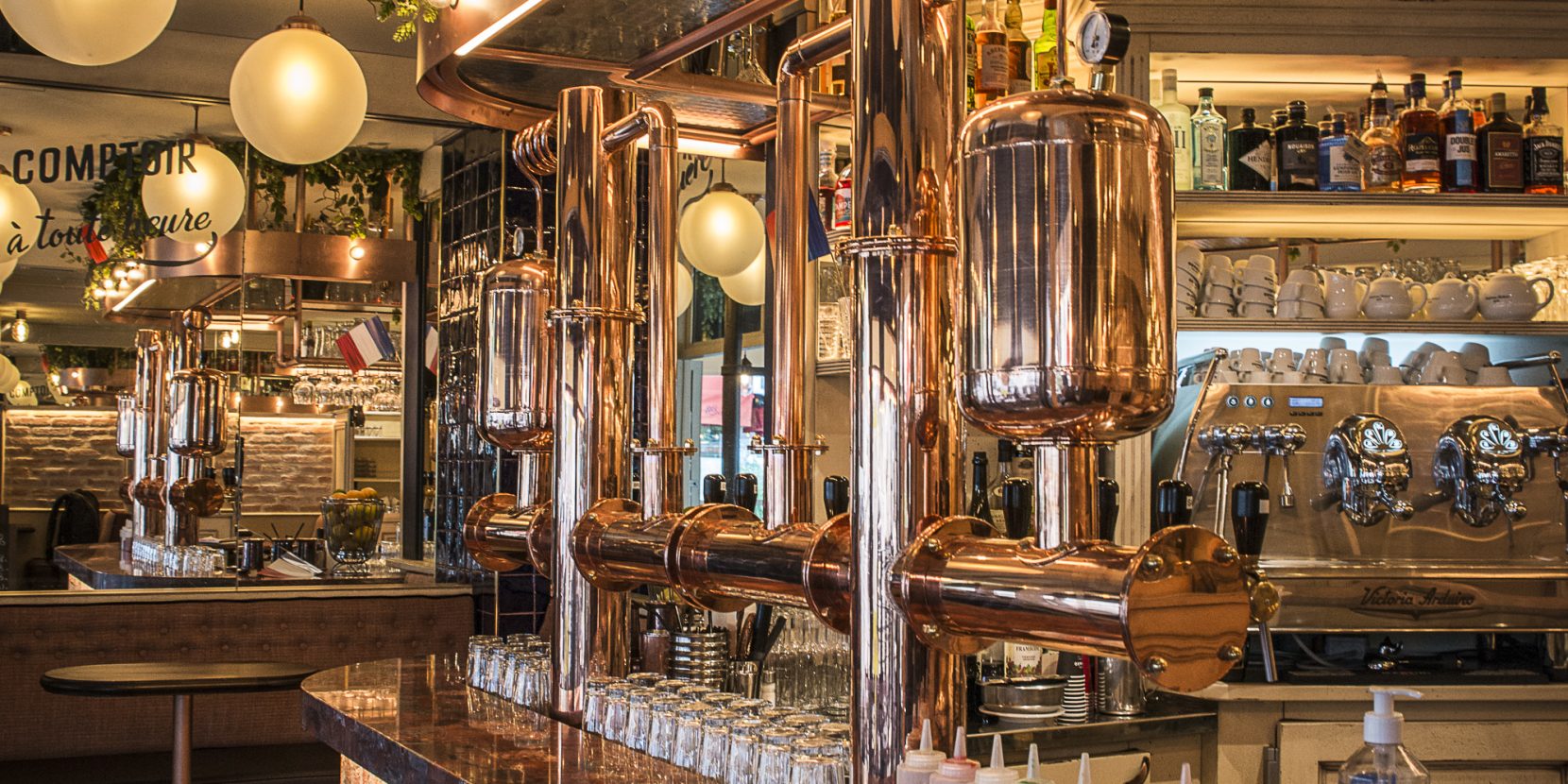
A restaurant’s wall decor should first and foremost reflect the atmosphere you want your customers to experience: the warmth of a bistro, the understated elegance of a fine-dining restaurant, or the character of a regional cuisine establishment. As the largest visible surface in the dining room, the wall is what appears in photos and makes the place instantly recognizable. Brick, stone cladding, paint, wallpaper, wood, mirrors, or greenery: each material has its own style. Next, you’ll need to choose a finish that withstands heavy foot traffic, is easy to clean, and complies with regulations for public-access facilities (ERP).
Why Walls Define a Place’s Identity
Even before looking at the menu, customers judge a restaurant by its atmosphere. Wall decor plays three roles:
- It sets the mood right from the entrance. Red brick evokes the warmth of a bistro, light-colored siding conveys serenity, and an anthracite hue lends a more urban feel.
- It serves as the backdrop for photos. Guests snap pictures of their dishes and their table: a recognizable surface becomes a signature on social media and review platforms.
- It defines the layout of the room. A paneled section creates a focal point, separates the bar from the dining area, or highlights an open kitchen.
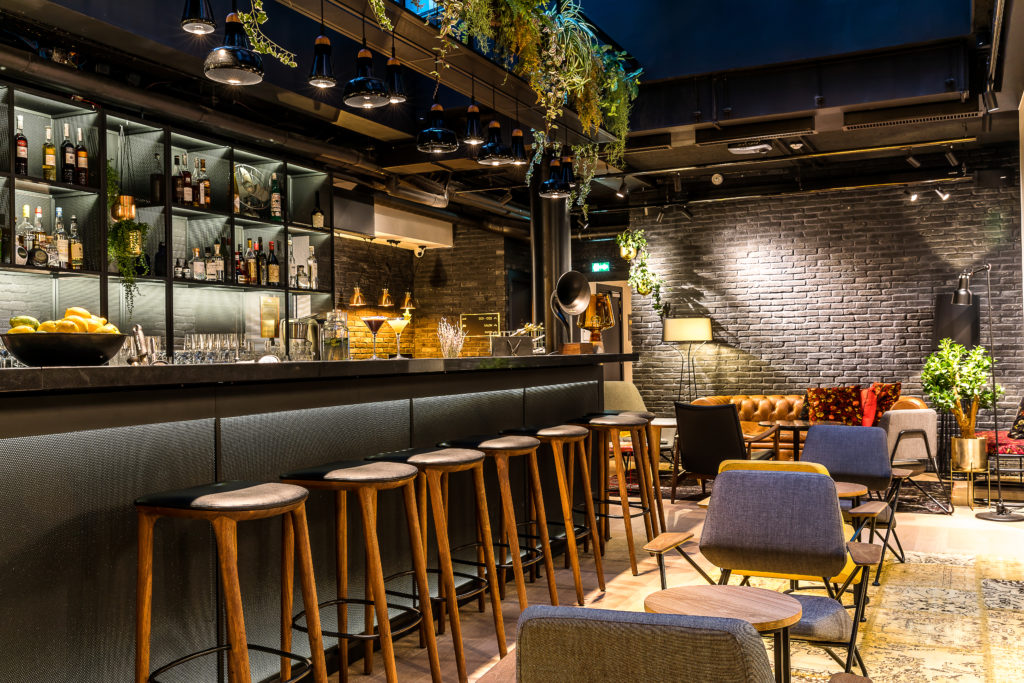
7 Wall Decor Ideas Based on the Desired Atmosphere
Rather than associating a material with a specific type of kitchen, start with the feeling you want to evoke. The same brick can suit a bistro just as well as a pizzeria—it all depends on how you style it, the lighting, and the materials you pair it with.
1. Coziness: the warmth of red brick
Red brick immediately brings to mind a neighborhood bistro and lively tables. Its warm tones and textured surface give the impression of a lived-in space, one where you’ll want to linger. ORSOL red brick veneer panels replicate the look of historic masonry, yet are only a few centimeters thick.
Design tip: Decorate just one wall—for example, behind the benches—rather than the entire room. Add a large mirror to make the space feel bigger, and choose warm lighting that brings out the red tones.
2. Brightness: White Brick and Light Colors
In a narrow room or one with little natural light, a light-colored surface reflects light and opens up the space. The White Collection brick tiles retain the texture of brick while brightening the overall look. They pair well with a workshop or loft-style aesthetic: black woodwork, metal light fixtures, and raw wood tables.
Design tip: Place it facing the windows to make the most of the natural light. Off-white paint and a few wooden shelves around it keep the space bright and warm.
3. Authenticity and character: the rubble-stone-look cladding
A wall covering with warm tones and irregular shapes tells the story of a place’s roots, its history, and its connection to local products. It’s just as suitable for a country inn as it is for a bistronomic restaurant looking to highlight its artisanal side. The Causse and Meulière collections recreate the look of old masonry without the need for major construction work.
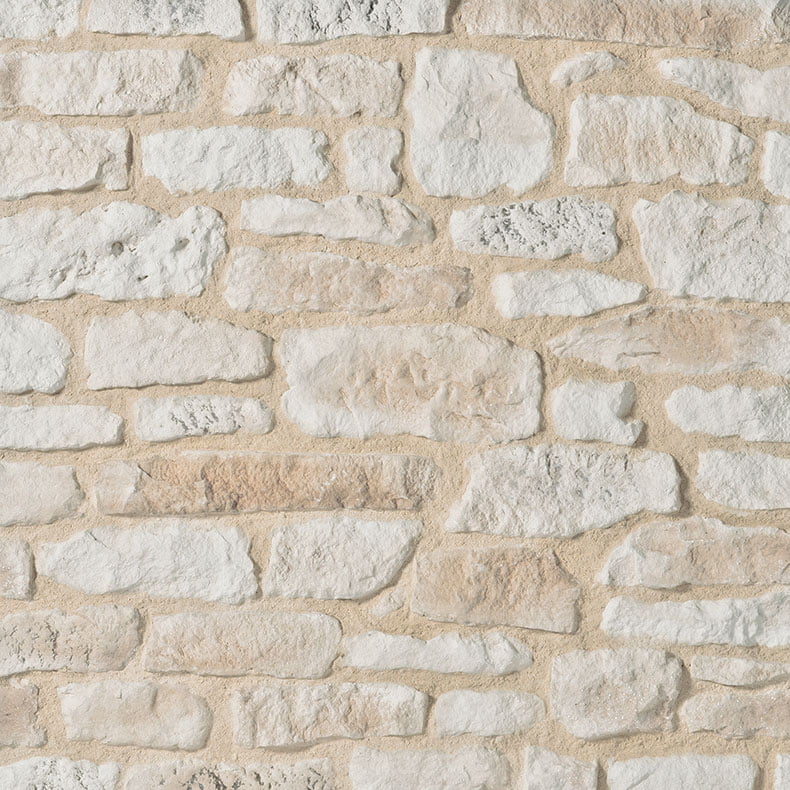
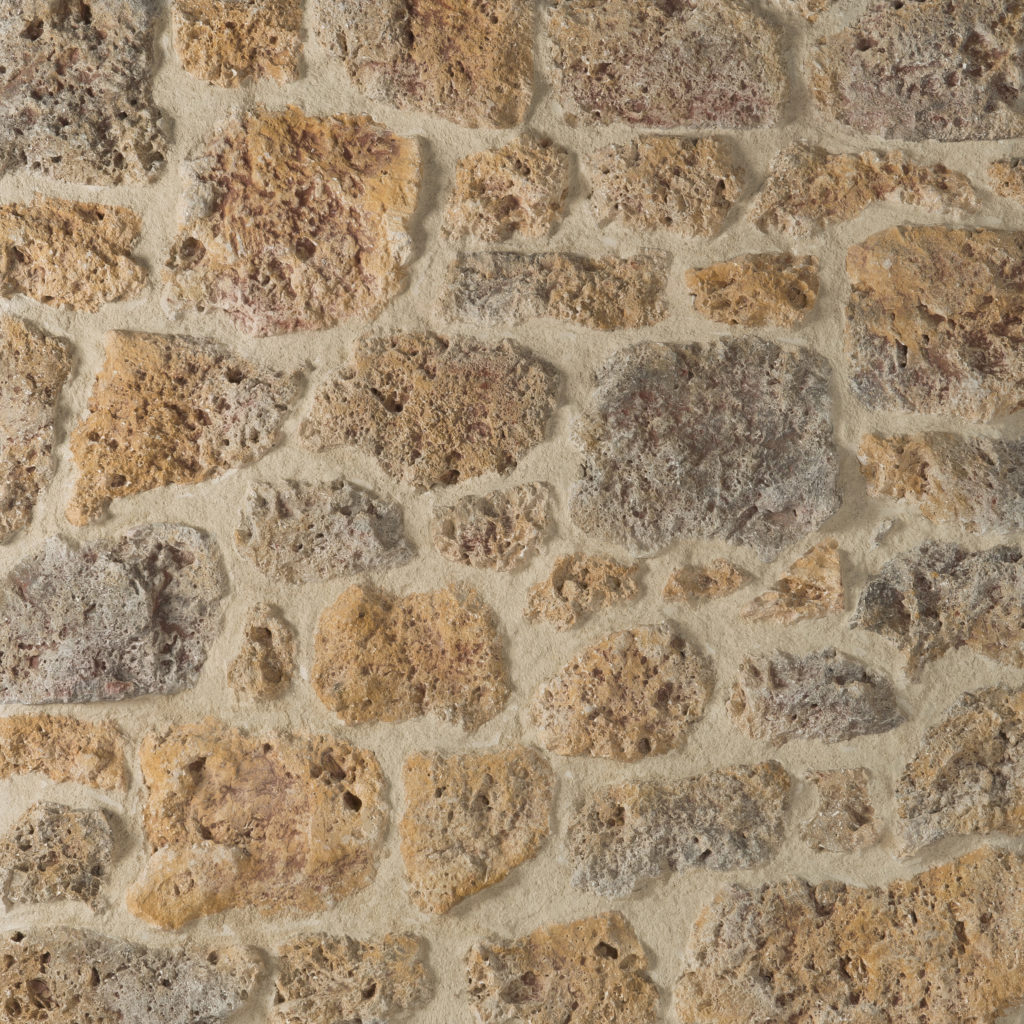
Design tip: Light it with spotlights placed at the base or at the top of the wall—in the evening, the light highlights the texture. Raw wood on the tables or countertop naturally complements the ambiance.
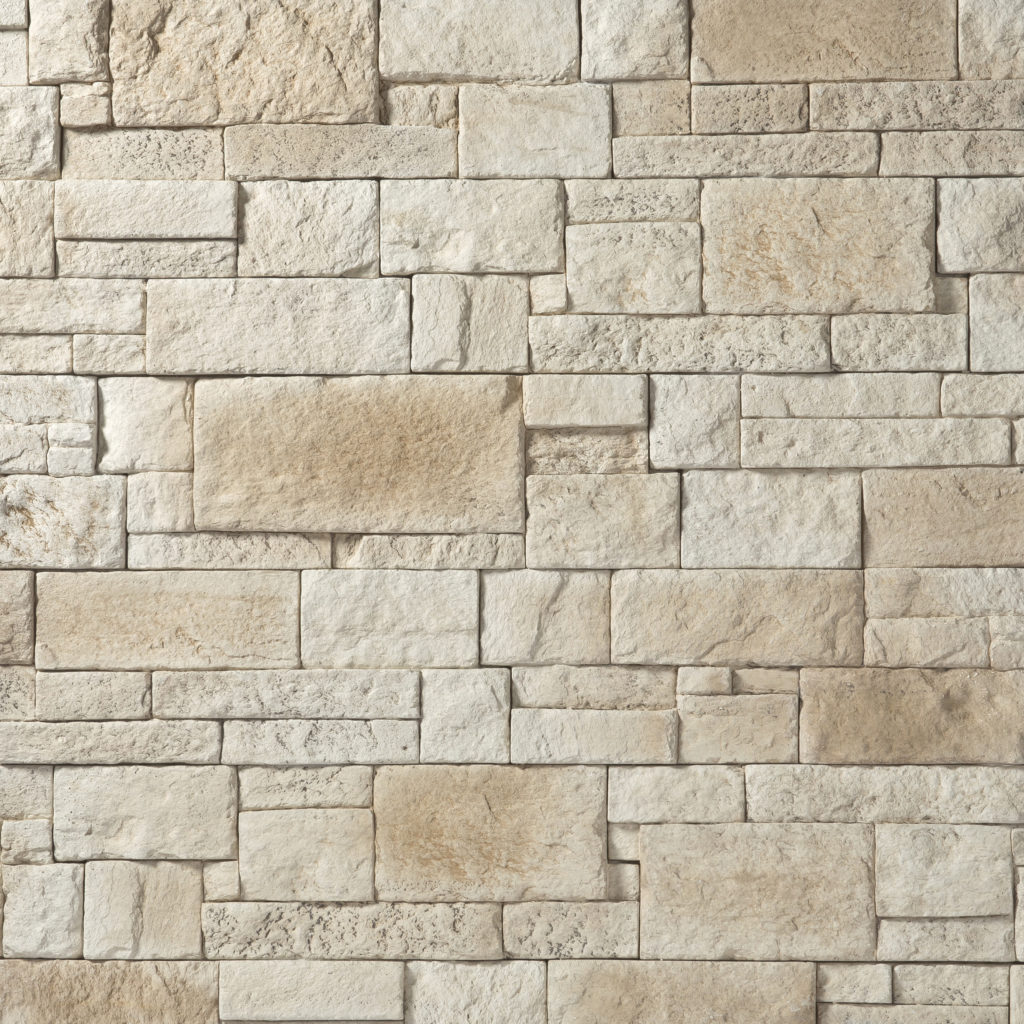
4. Subtle Elegance: Light, Even-Grained Stone
For a fine-dining restaurant, the decor should create a sense of calm and let the food take center stage. A light-colored wall covering with narrow joints, such as Manoir, adds a refined and luminous texture without drawing attention to itself more than necessary.
Design tip: Light it indirectly, using an LED strip hidden in the ceiling or behind a bench. The soft light highlights the material without causing glare—no other decoration is needed; a single piece is enough.
5. Modernity and Architectural Flair: Geometric Cladding
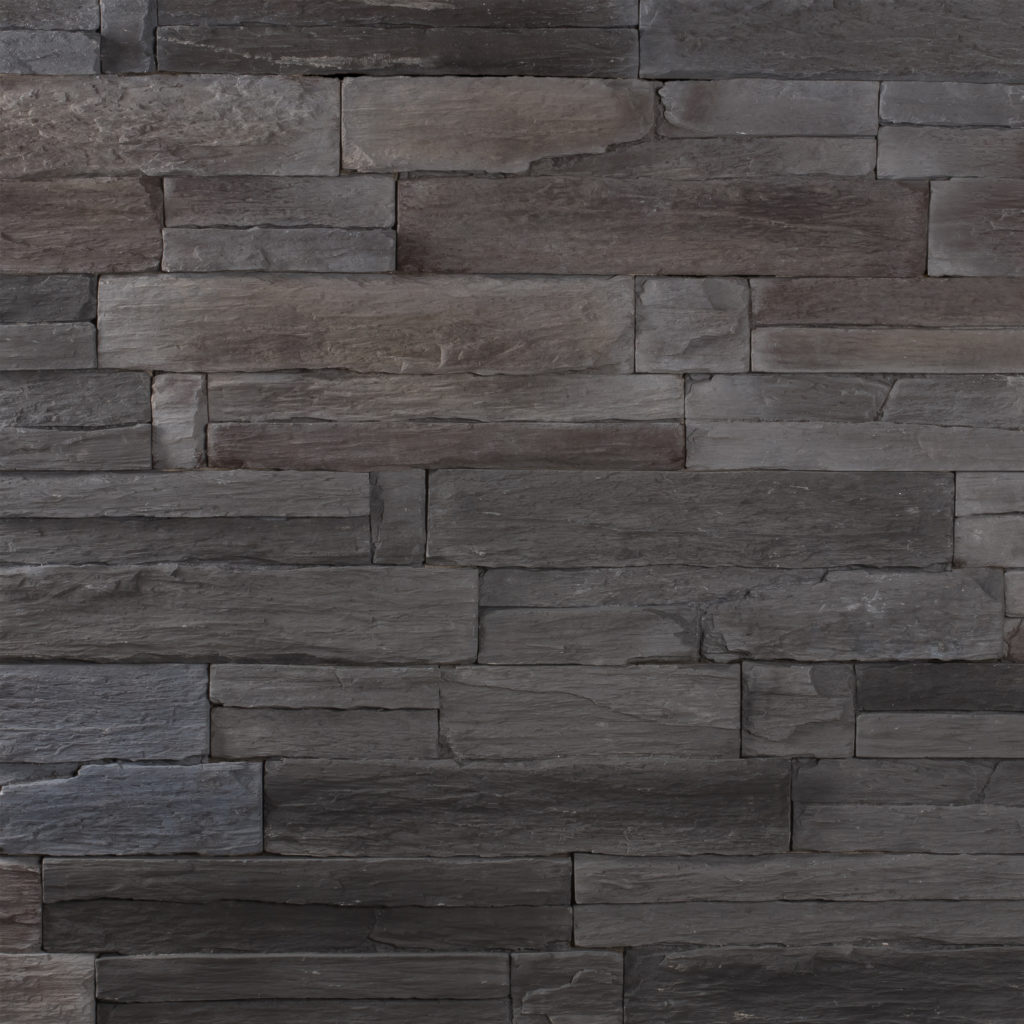
Horizontal lines, slim panels, gray or anthracite tones: geometric cladding creates a bold, graphic look, ideal for a contemporary space. The Cubik or Yosemite collections in anthracite pair well with polished concrete, metal, and glass.
Design tip: Use it to define a space, such as the bar or the entryway. To avoid a look that’s too cold, add a warm touch: a gold mirror, leather, or terracotta paint.
6. Warmth and a Change of Scenery: Dry-Stone in Ochre Tones
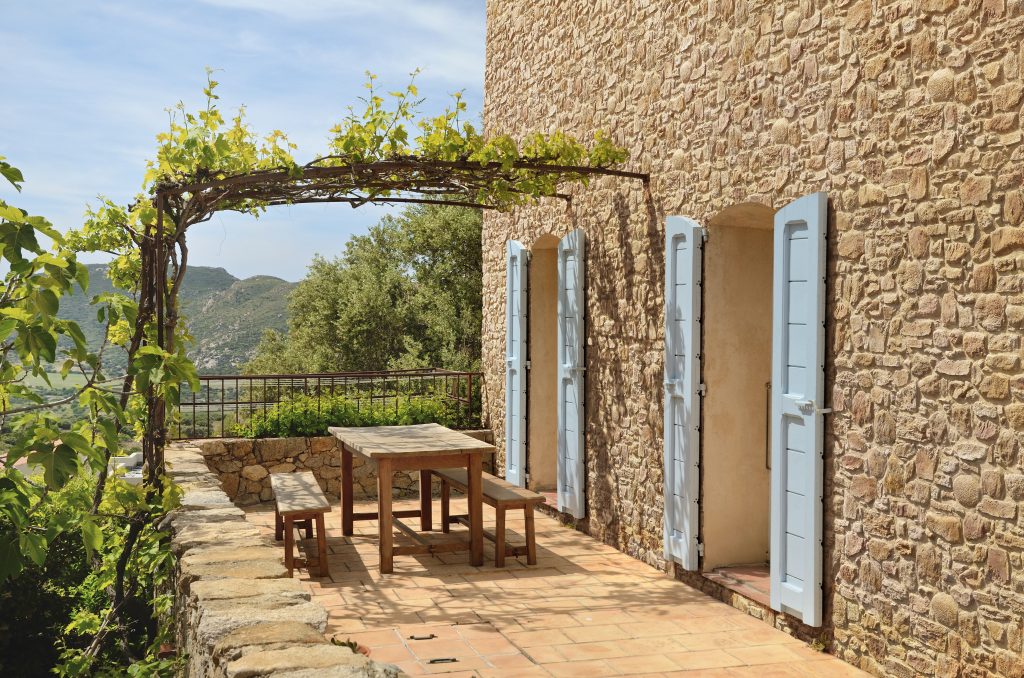
An irregular stone in ochre or rosy hues evokes homes in the South, lunches on the patio, and communal dining. Whether it’s a trattoria, pizzeria, Greek, or Provençal-style restaurant, the effect immediately transports diners. The Roca collection, with its dry-stone effect, is available in bronze or deep pink tones.
Design tip: Place it around the pizza oven or counter to showcase the kitchen. A lime-washed finish, potted olive trees, and rattan pendant lights complete the ambiance.
7. Freshness and Serenity: The Combination of Mineral and Plant Elements
For a healthy, locally sourced concept or a brunch café, the goal is to create a sense of nature and calm. Mineral elements provide structure, while plant elements bring freshness and a sense of openness.
Design tip: Combine a section of cladding with a stabilized green wall, which requires neither watering nor special lighting. Alternatively, a few plants hanging above the tables can also create this effect.
Where should you place the wall that will define your restaurant’s identity?
- The back wall: visible as soon as you enter, it serves as a backdrop for photos.
- The bar: Stone or brick cladding on the counter and back wall makes it the heart of the space.
- The entrance or reception area: to set the tone from the moment you walk in.
- The serving window or open kitchen: a stone or brick setting showcases the chefs’ work.
- The terrace: a low wall or clad facade extends the venue’s identity outdoors.
An atmosphere that tells your restaurant’s story
Wall decor isn’t just a detail—it’s the first thing your customers see, and often the last thing they photograph. Start with the atmosphere you want to create, choose a signature material that’s durable and complies with public building codes, then complement it with lighting, wood, mirrors, or plants. Your decor will become your signature.